What is an RTD Temperature Sensor?
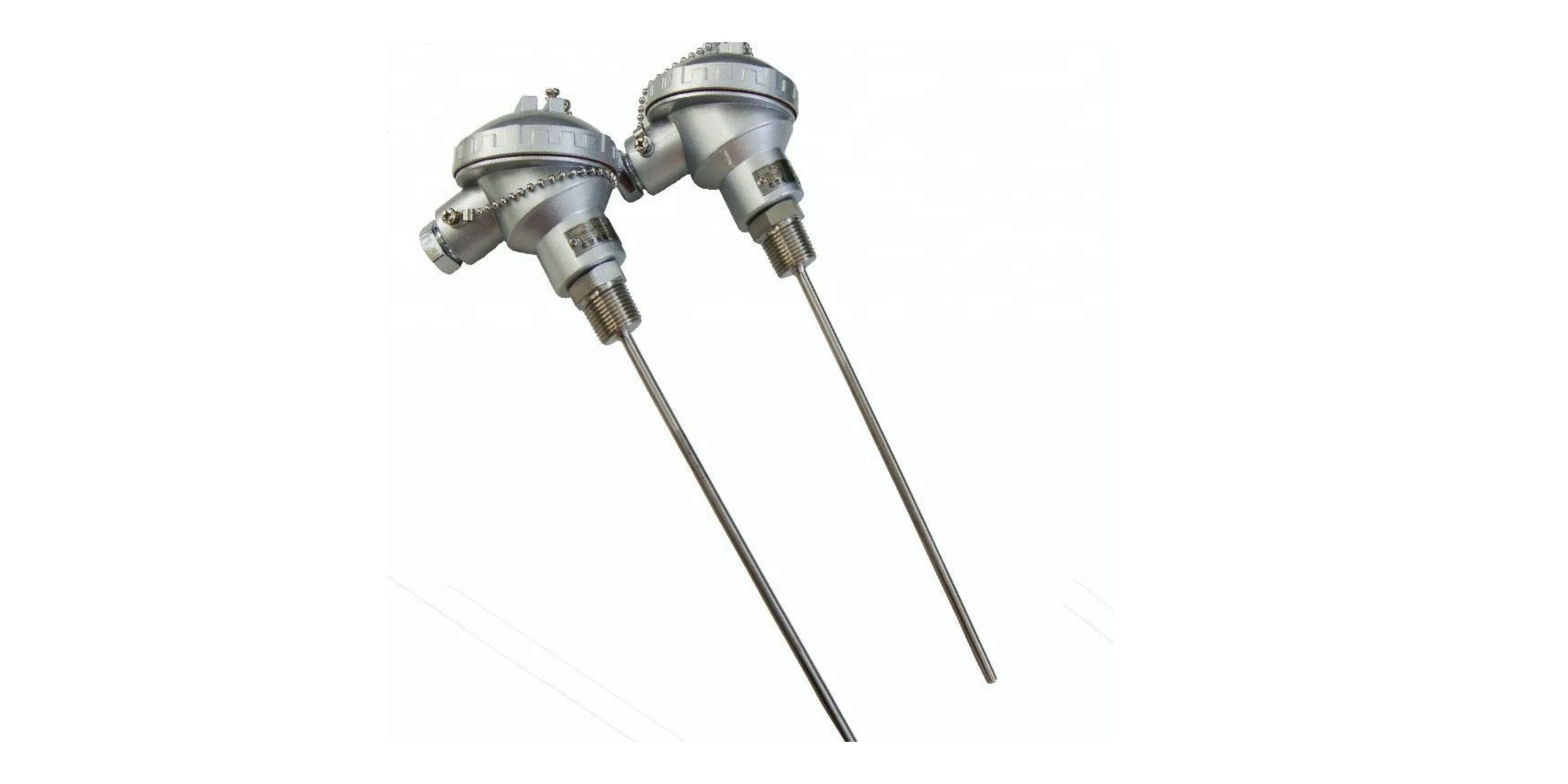
An RTD — short for Resistance Temperature Detector — is a precision temperature sensor that measures temperature by detecting changes in the electrical resistance of a metal wire. RTDs are widely used in industrial testing, engine development, battery thermal management, aerospace applications, and laboratory environments where accurate, repeatable temperature data is essential.
How Does an RTD Work?
RTDs operate on a straightforward principle: as temperature increases, the electrical resistance of the metal wire inside the sensor increases proportionally. Because resistance changes linearly with temperature, RTD measurements are highly accurate and consistent across repeated measurements.
RTDs require an external power source to apply a current through the wire — unlike thermocouples, which generate their own voltage through the Seebeck effect. The most common RTD element materials are platinum (Pt100 and Pt1000 are standard), nickel, and copper. Platinum RTDs are preferred in precision applications due to their stability and wide operating range.
RTD vs. Thermocouple: Which Do You Need?
Both RTDs and thermocouples use metal wire elements to measure temperature, but they are engineered for different applications. Understanding the difference is critical to selecting the right sensor for your process.
RTDs are the better choice when:
- Measurement accuracy within a fraction of a degree is required
- The application operates in a moderate temperature range (nickel RTDs to approximately 300°C; platinum RTDs to approximately 600°C)
- Repeatability across multiple test runs is a priority
Thermocouples are the better choice when:
- Temperatures exceed the RTD operating range
- The application involves high vibration, shock, or harsh mechanical environments
- Faster response time is required
- Cost and simplicity are factors
For a deeper look at thermocouple types, wire compositions, and selection criteria, see K-Tec’s custom thermocouple manufacturer page.
What Factors Should Engineers Consider When Specifying an RTD?
Selecting an RTD involves more than choosing between platinum and nickel. Key specification decisions include:
- Temperature range — Define your minimum and maximum expected process temperatures before selecting element material and configuration.
- Accuracy class — RTDs are available in standard tolerance classes (Class A and Class B for Pt100, per IEC 60751). Tighter tolerances increase cost but may be required for calibration-critical applications.
- Response time — Sheath diameter, element construction, and installation depth all affect how quickly the RTD responds to temperature changes.
- Vibration and shock resistance — High-vibration environments such as engine testing or dynamometer applications require careful attention to mounting and construction.
- Sheath material — Stainless steel, Inconel, and other materials offer different resistance to corrosive or caustic media.
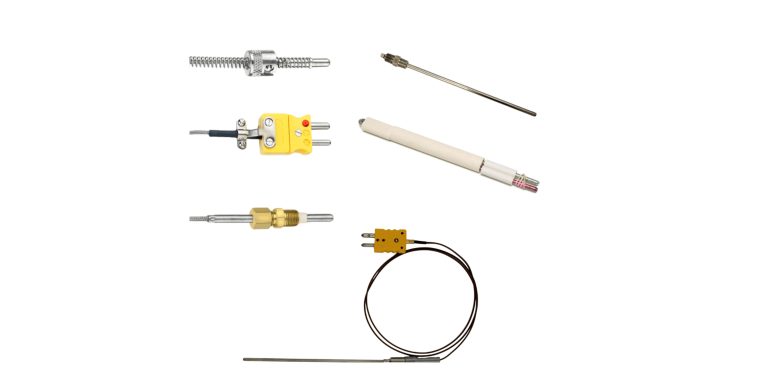
- Termination configuration — Lead wire type, connector, and length must align with your data acquisition system and installation constraints.
Custom RTDs from K-Tec Systems
K-Tec Systems manufactures custom RTDs and thermocouples to exact customer specifications at our Ferndale, Michigan facility. Every assembly is built to your defined temperature range, sheath material, insulation, and termination requirements. Our thermocouples are produced to ISO/IEC 17025 standards, and all orders include a Certificate of Conformance.
We serve engineers and procurement teams in the automotive, aerospace, defense, medical, and drone industries. Whether you need a single prototype or a production run, K-Tec’s engineering team will work with you from specification through delivery.
Learn more about K-Tec’s thermocouple and RTD manufacturing capabilities or contact our team directly at 248-414-4100 or email contact@k-tecsystems.com.