What Is a Pitot Tube and How Does It Work?
A pitot tube measures total pressure and, paired with a static port, gives velocity. Learn how it works, where it fails, and which probes extend it.

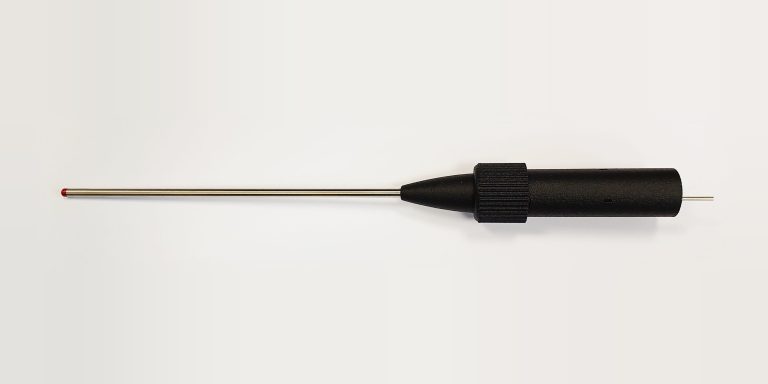
A pitot tube measures total pressure and, paired with a static port, gives velocity. Learn how it works, where it fails, and which probes extend it.
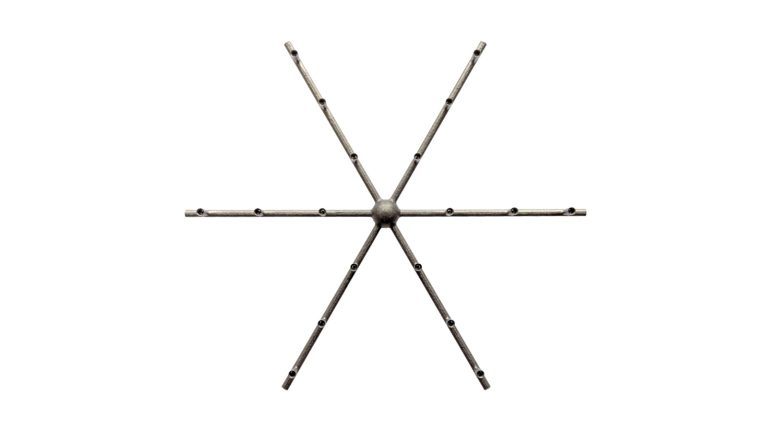
A wind tunnel moves controlled air past a stationary model so engineers can measure forces, pressures, and flow angles. Learn the types and instruments.
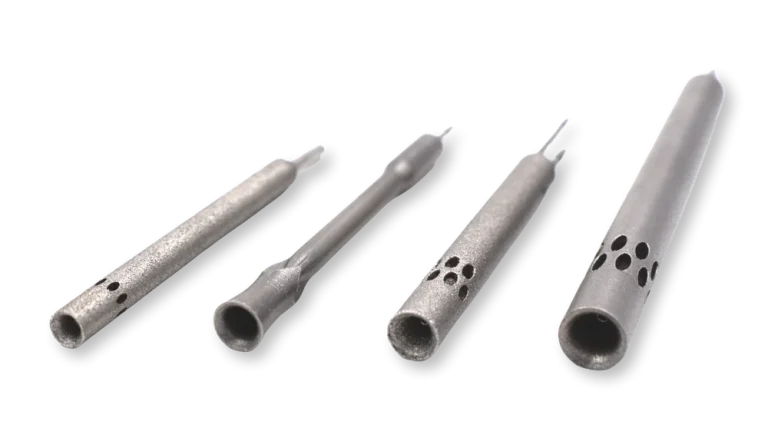
True airspeed (TAS) is the speed of an aircraft relative to the air mass it is flying through. It is the number that matters for navigation, performance modeling, and aerodynamic analysis. It is also not what a pitot-static system measures directly. What the pitot-static system measures is a pressure difference. Getting from that pressure difference…

Dynamic pressure is measured as the difference between total pressure and static pressure, using a probe in the flow, a differential pressure sensor, and a data acquisition system that logs the result along with air temperature. Everything else in a vehicle wind tunnel test, from the speed setting to drag and downforce coefficients, depends on…
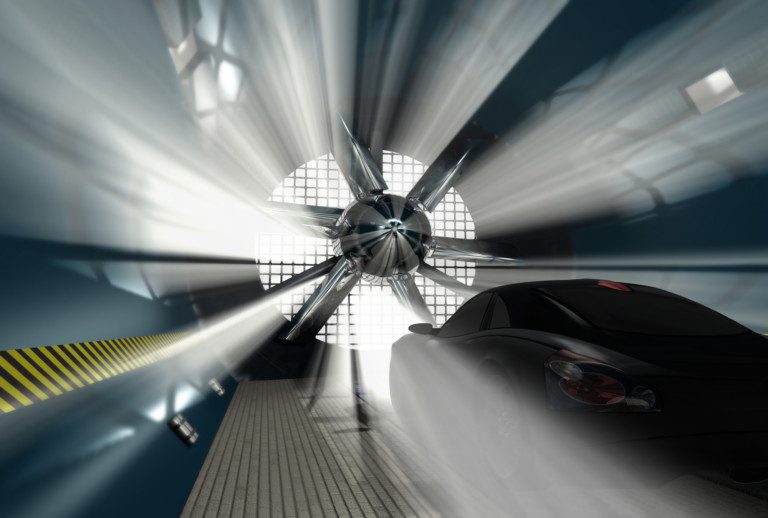
Measuring aerodynamics in a wind tunnel: Probes are selected to withstand high flow velocities, variable flow angles and high temps.