
Aerodynamic Measurement Probes: Kiel, Multi-Hole, Omnidirectional and Smart Probes
K-Tec Systems supplies aerodynamic measurement probes in the United States: Kiel pressure and temperature probes, multi-hole and omnidirectional probes, yaw pitots, Kiel rakes, radiator probes and smart USB probes, with pressure scanners for data acquisition. Standard multi-hole probes are individually calibrated in the manufacturer’s wind tunnel across the operating speed and angle range, and ship with lookup-table calibration data. Probes are used in wind tunnel testing, engine inlet and exhaust measurement, on-track motorsport and flight test, and are supported by our engineering team in Ferndale, Michigan.
Fluid measurement probes
Explore by probe type
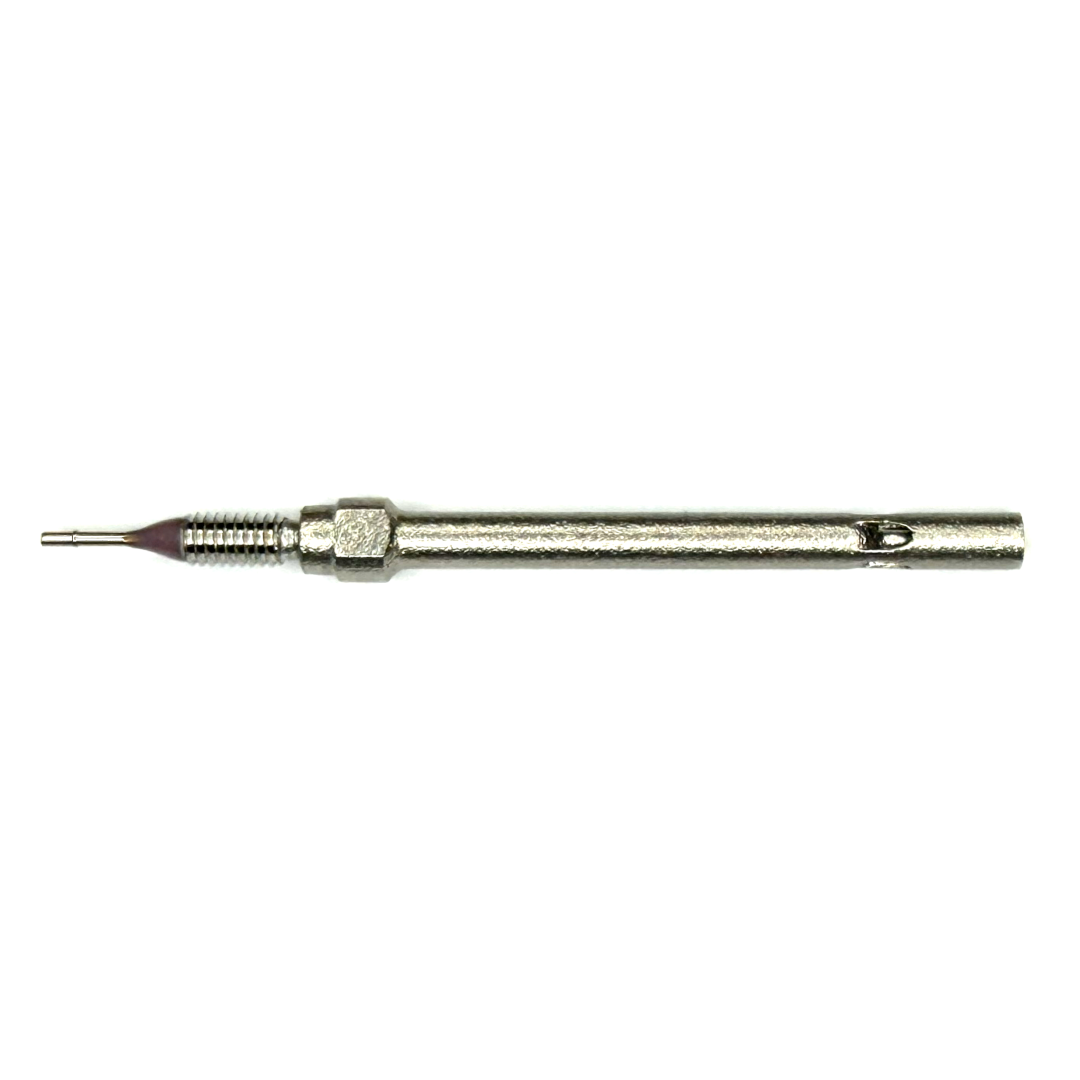
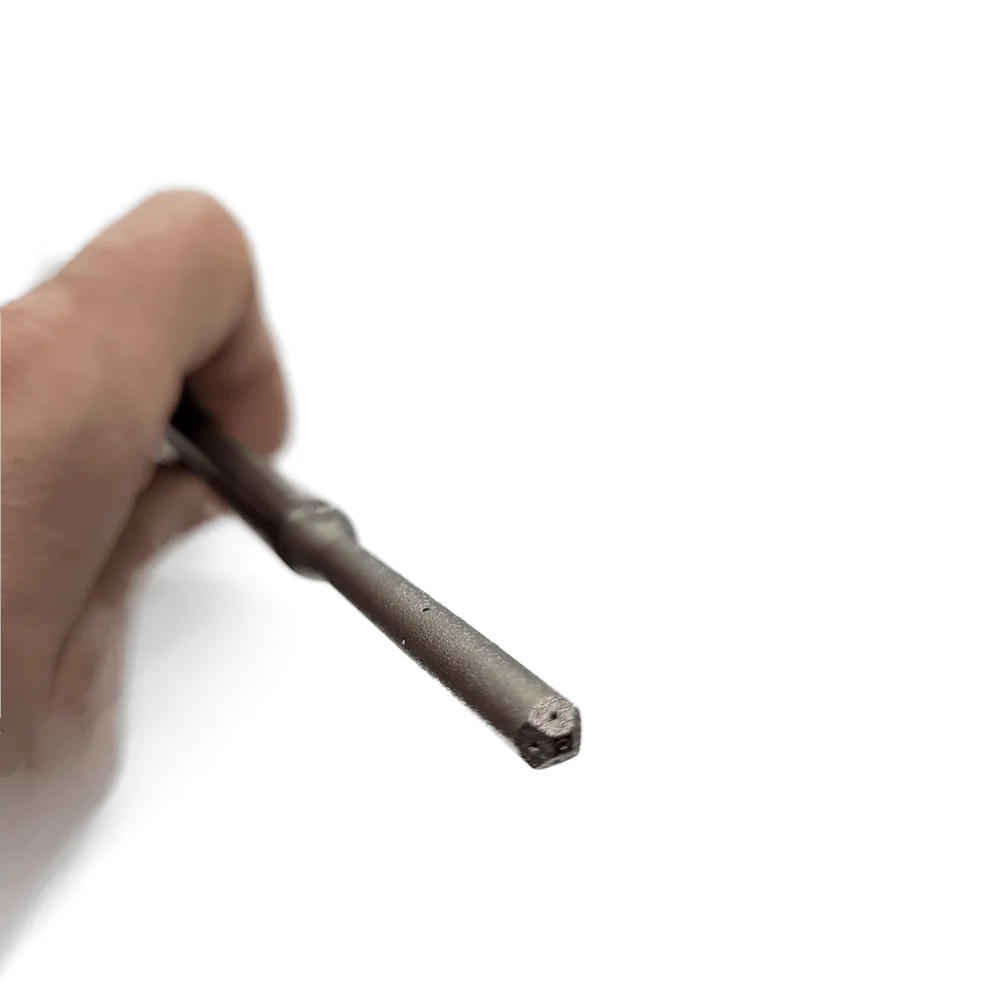
5-Hole Probes
Total and static pressure plus yaw and pitch, to ±45°.
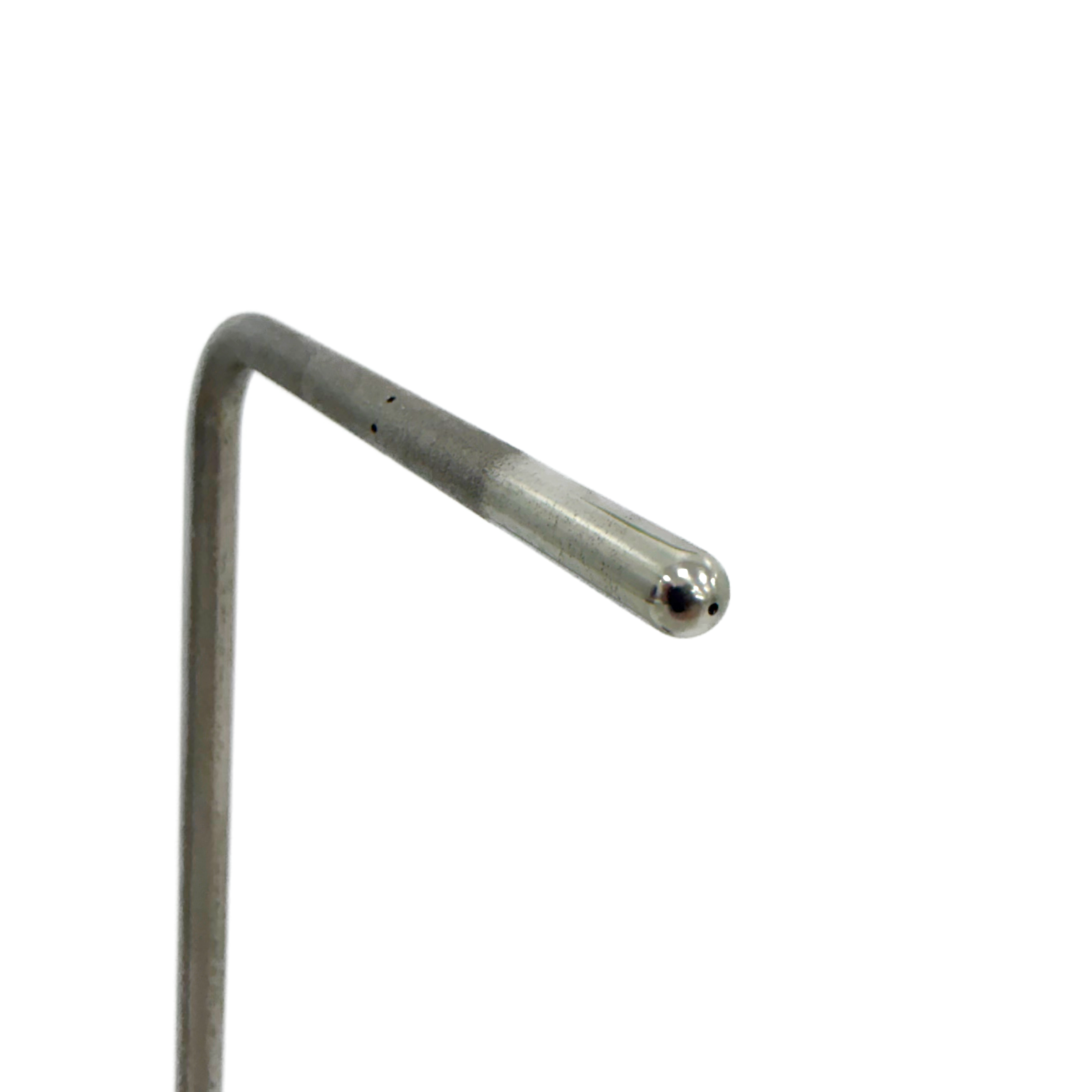
Yaw Pitots
Dynamic pressure and wind yaw angle in one instrument, to ±30°.
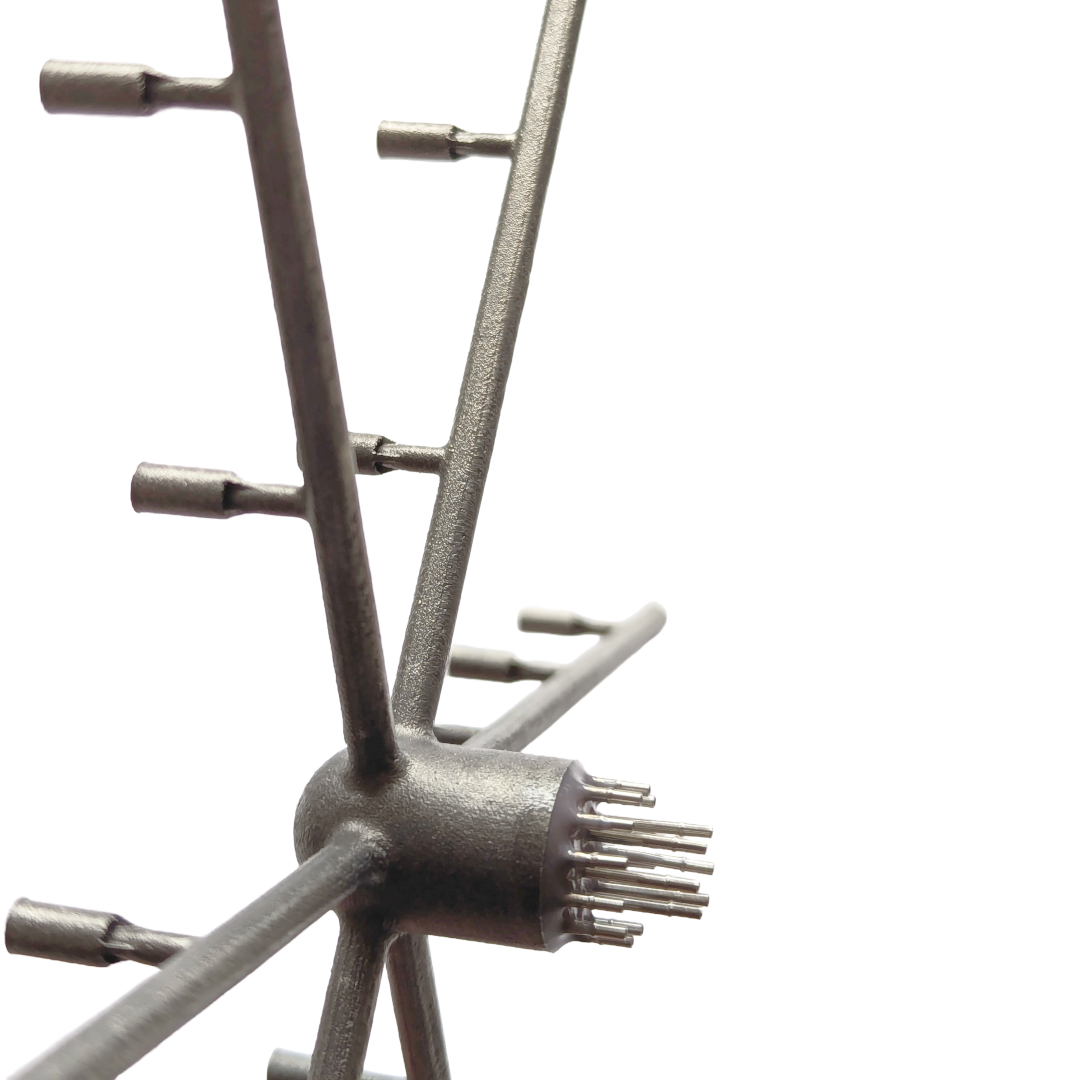
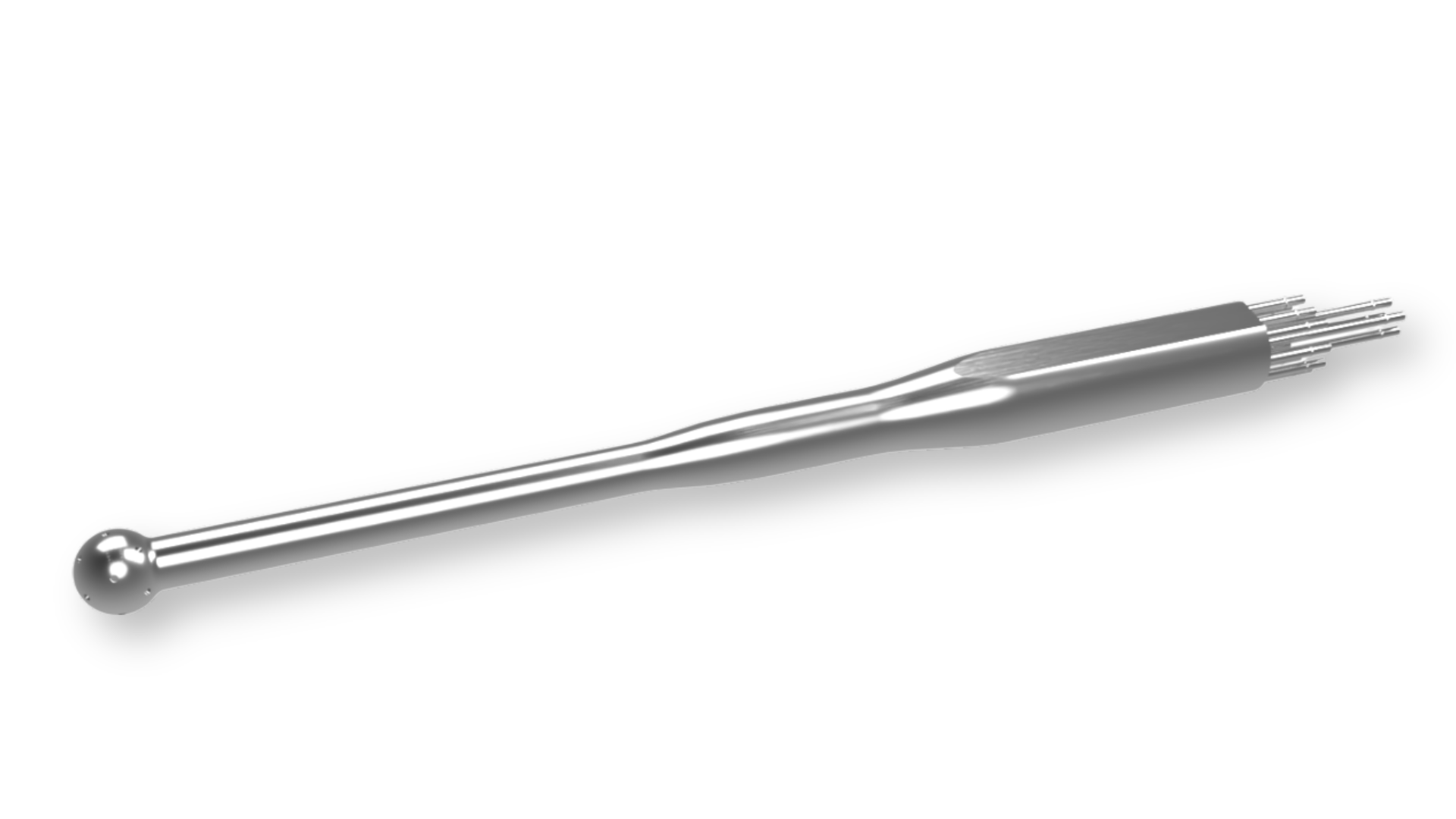
Omnidirectional Probes
14-hole probes for flow angles to ±155°.
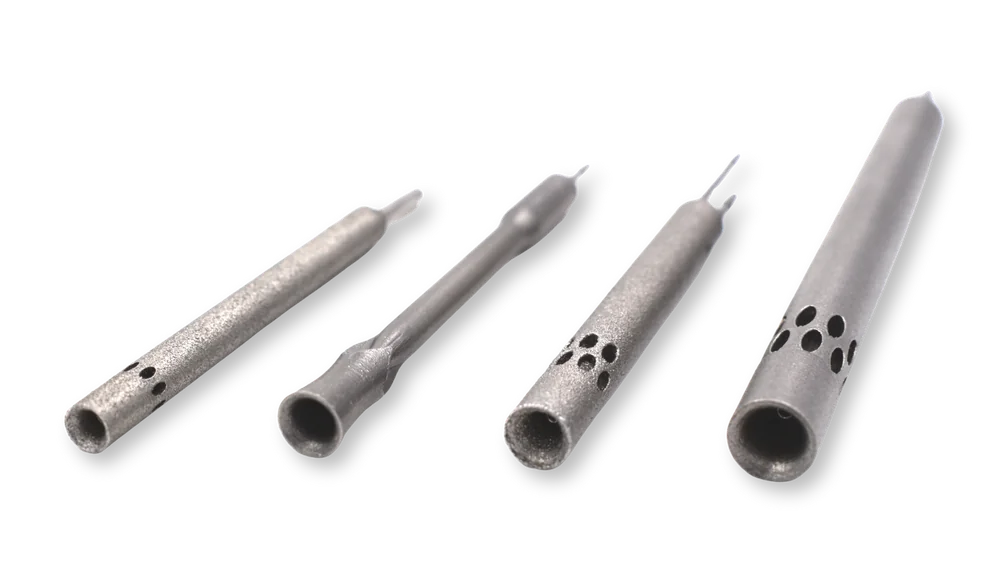
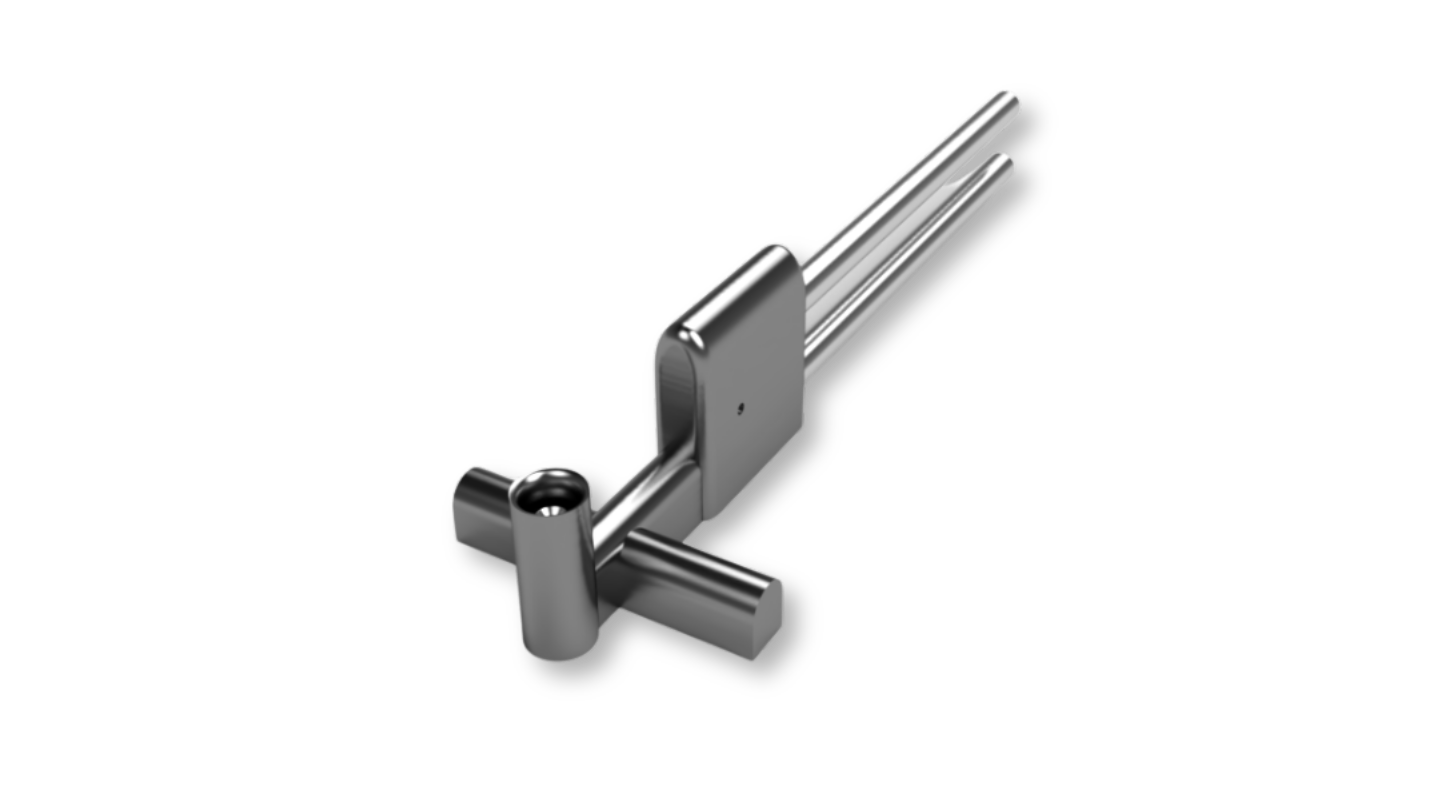
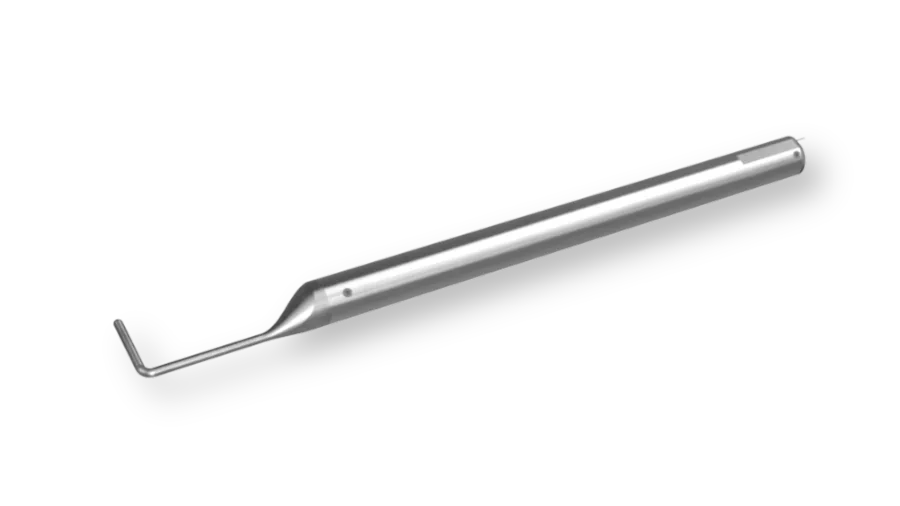
Smart 5-Hole Probes
USB probes with onboard processing for velocity and flow angle.
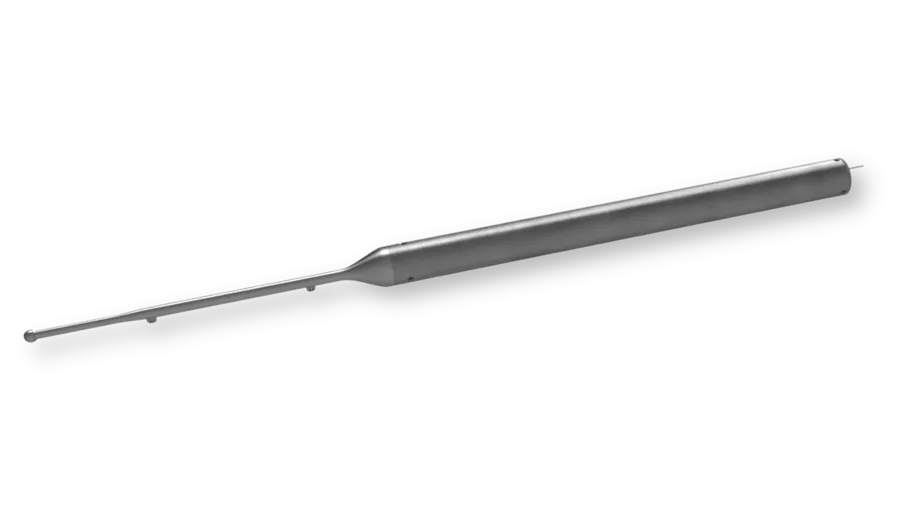
Smart Omnidirectional Probes
USB 14-hole probes for angle of attack over ±160°.
Looking for pressure scanners? See our pressure scanner range, including the Aerosensor SC-01.
Frequently Asked Questions
How do I choose between a Kiel probe, a 5-hole probe, and a yaw pitot?
The right choice depends on what your application requires you to measure. Kiel probes are the best option when you need accurate total pressure measurement in a complex flow where the angle of attack is unknown or variable — they maintain accuracy at flow angles up to +/-50 degrees, well beyond the +/-5 degree limit of a traditional Pitot tube. Five-hole probes resolve the full three-dimensional flow vector, providing total pressure, static pressure, and flow direction in both yaw and pitch — they are the preferred choice when complete 3D flow characterization is required. Yaw pitots measure both dynamic pressure and wind yaw angle simultaneously, and are widely used in on-vehicle and on-track applications where accurate correlation of wind tunnel or CFD data depends on knowing the ambient yaw angle. Our engineering team can help you determine the right instrument for your test requirements.
Kiel Probe vs. Pitot Tube: What Is the Difference?
A Kiel probe reads total pressure accurately at flow angles up to +/-50 degrees; a plain pitot tube is accurate only within about +/-5 degrees of the flow direction. The Kiel probe’s shrouded head straightens the incoming flow before it reaches the pressure port, which is why it is used where the flow angle is unknown or changes during a test, such as engine inlets, exhaust ducts and on-vehicle work. A pitot-static tube remains the right choice when the flow direction is known and static pressure is also required from the same probe.
How Does a 5-Hole Probe Measure Pitch, Yaw, Total and Static Pressure?
A 5-hole probe has a center port and four ports spaced around the tip. The pressure difference between the opposing side ports gives the flow angle in pitch and yaw; the center port approximates total pressure; and the calibration tables convert all five readings into total pressure, static pressure and the three-dimensional flow vector. Each standard probe is calibrated across its operating speed and its full +/-45 degree angle range, so the lookup tables can be used directly in real-time acquisition or post-processing. An optional static ring improves static pressure accuracy in low-velocity-gradient conditions, such as a UAV nose.
Can thermocouple or RTD sensors be integrated into the probes?
Yes. K-Tec Systems’ custom thermocouples and RTDs can be incorporated into compatible probe designs for simultaneous flow and temperature measurement at the same location. Thermocouple wire is selected to match your specific application requirements and integrated directly into the probe. Contact our team to discuss combined sensing configurations.
What materials are available, and what are the maximum operating temperatures?
Probes are available in stainless steel, Inconel, and titanium. Stainless steel covers the majority of applications; Inconel is specified for high-temperature environments up to 980 degrees C; titanium is selected for weight-critical applications.
Can probes be customized for non-standard configurations?
Yes. Additive manufacturing (DMLS) allows integration of standard probe heads into custom shapes, rakes, and complex installations. Contact K-Tec Systems to discuss your specific application requirements.
Is K-Tec Systems registered to sell to U.S. government and defense customers?
Yes. K-Tec Systems is registered to do business with the U.S. Government. Our CAGE Code is 4W0S0. We are a WBENC and WOSB-certified woman-owned small business. For government or defense purchasing inquiries, contact our sales team at 248-414-4100.
How Much Does a Kiel Probe Cost and How Fast Can You Get One?
Standard Kiel probe configurations (KP12, KP37, KP57) are quoted individually and include wind-tunnel calibration data. Custom rakes are quoted from your drawing. Call 248-414-4100 or send your application details for a prompt quote.
What is an angle of attack probe, and how does an omnidirectional probe measure it?
Angle of attack is the angle between the oncoming flow and a reference axis on the vehicle or test article. An omnidirectional probe has a spherical head with 14 pressure ports. Flow angle and velocity are calculated from the pressure pattern across those ports, which lets the probe resolve direction over a far wider range than a conventional 5-hole probe, including flow that changes direction or reverses. Smart versions process the signals onboard and output angle, velocity and pressure over USB. Angle range and accuracy are confirmed at quotation for the selected configuration.
What is the difference between a Kiel pressure probe and a Kiel temperature probe?
Both use a shrouded Kiel head so the reading stays valid when the flow does not arrive head-on. A Kiel pressure probe measures total pressure through ports behind the shroud. A Kiel temperature probe holds a thermocouple or resistance sensor in the shroud and measures total temperature. The two can be used together at the same point in the flow, and K-Tec Systems can review a combined layout for your test.
What is a smart probe, and when do I need one?
A smart probe combines a multi-hole sensing head with onboard electronics. It reports velocity, flow angles, pressure and temperature in engineering units over USB, so a separate pressure scanner and data reduction software are not needed for a first measurement. It suits quick surveys, field work and development testing. A conventional probe with a pressure scanner is the better fit when you need many measurement points at once, a custom calibration, or a fixed installation.
What is a radiator probe used for?
A radiator probe is a Kiel-head total pressure probe built to measure total pressure and mass flow distribution through a radiator or heat exchanger, with low blockage so it does not disturb the flow it is measuring. It is used in vehicle cooling and aerodynamic development, where airflow uniformity across the core affects thermal performance.
How do I request a quote or get application support?
Contact K-Tec Systems at 248-414-4100 or orders@k-tecsystems.com. Our engineering team will review your application requirements and recommend the appropriate probe, material, and configuration.
Learning Center
-
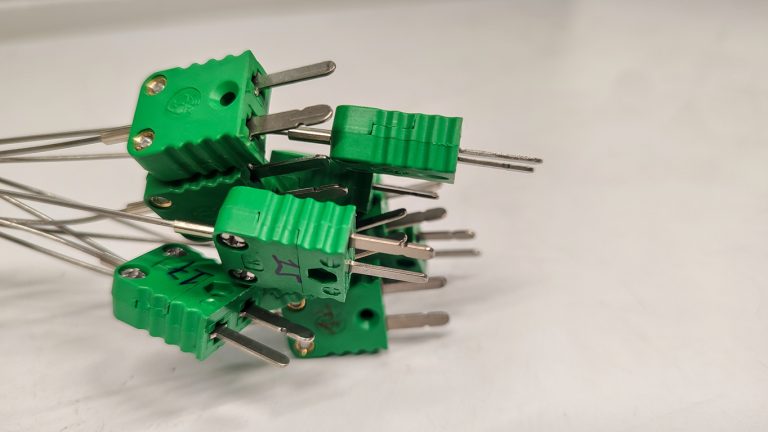
Type J vs. Type K Thermocouple: How to Choose
Type J and Type K thermocouples are similar in accuracy and cost but they perform differently across temperature range, atmosphere, and application. Here’s how to choose.
-
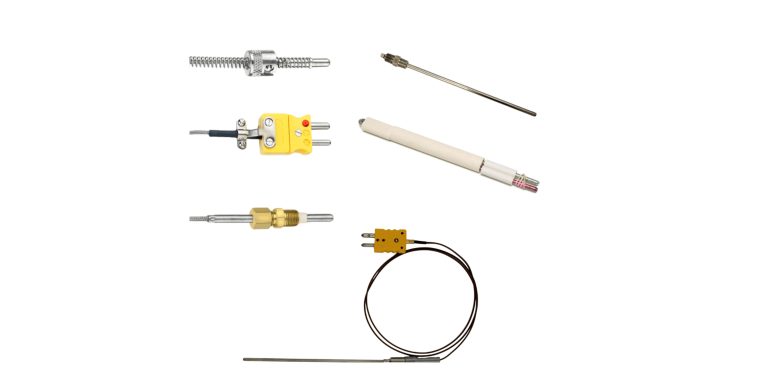
Custom Thermocouple Types adapted to your Testing Process
Choosing the right thermocouple for your testing or manufacturing process is essential to collecting accurate data and ensuring product quality and consistency.
-
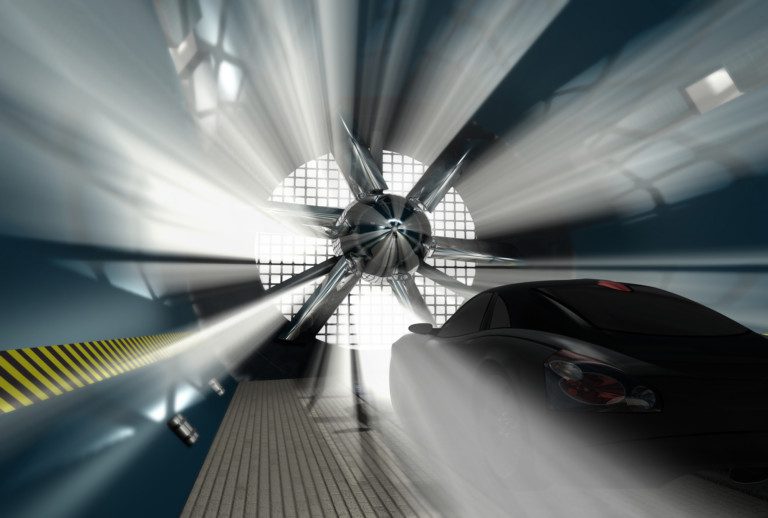
Flow Probes and Aerodynamic Measurement in Wind Tunnel Testing
Measuring aerodynamics in a wind tunnel: Probes are selected to withstand high flow velocities, variable flow angles and high temps.
-
Which Thermocouple for the Most Accurate Measurement and Test
Thermocouples are designed for different operating conditions and choosing the right thermocouple is vital to collecting accurate temperature data.
Request a Quote or Application Review
K-Tec Systems provides U.S. sales, application support and order coordination for aerodynamic measurement probes and pressure scanners. Contact us to discuss your test requirements.
Contact K-Tec Systems